- And Now What?
- Posts
- From Agents to Agency
From Agents to Agency
What if you could define how you approach your work?

Stephen Nock
October 21, 2025
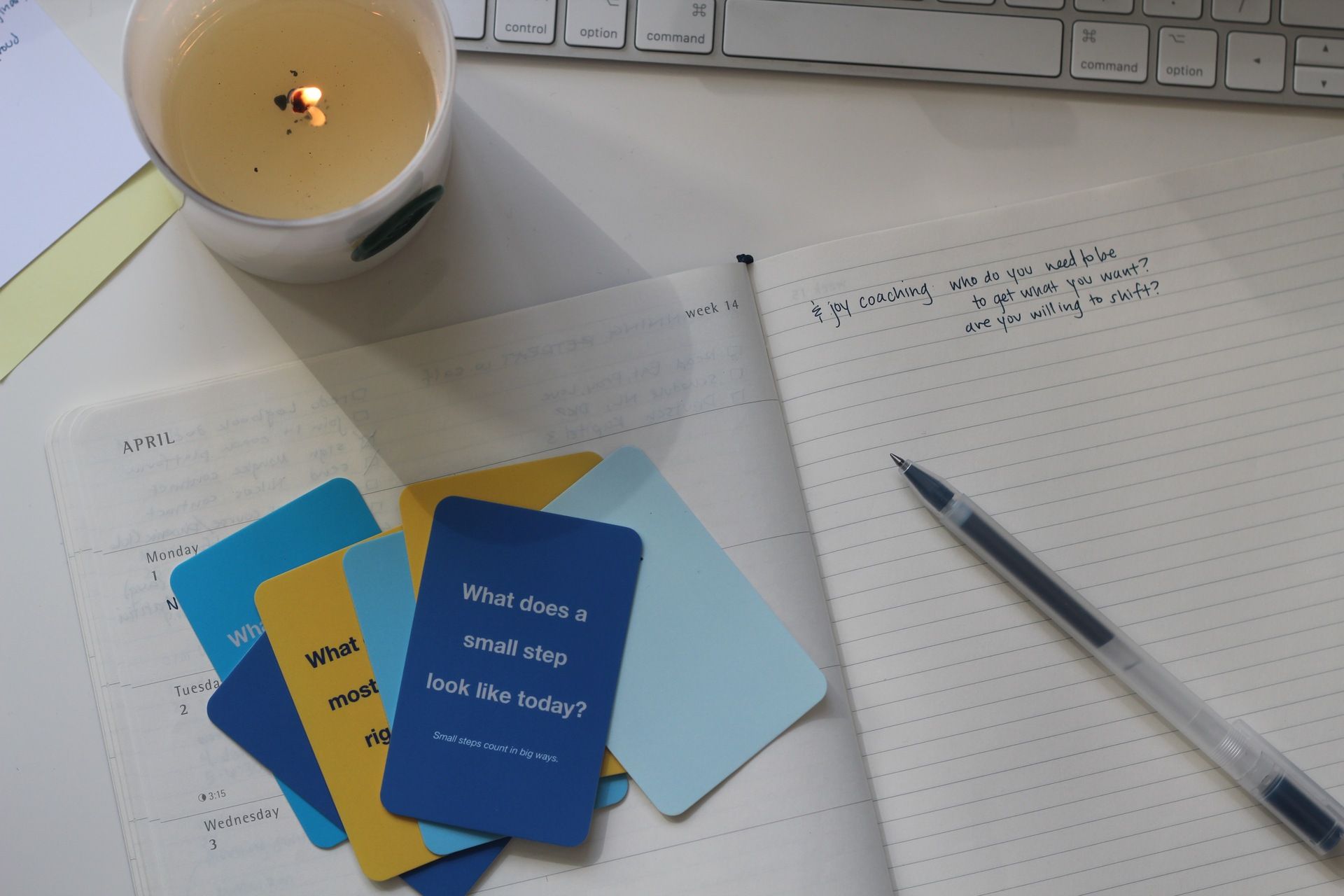
Are we worshipping our work?
The conversation around job security has intensified, fueled by rapid technological advancements like AI. While AI brings excitement, it also sparks a palpable fear about the future of work. Headlines frequently highlight concerns, with some predicting significant job displacement and a rise in layoffs. This raises a crucial question: how do we navigate a future where traditional work structures may no longer define us?
Many of us are accustomed to a life filled with activity and external validation. From a young age, we're conditioned to equate tasks, grades, and financial rewards with worth. This can make the idea of "doing nothing" or being "unoccupied" deeply unsettling. Yet, thinkers like Jon Kabat-Zinn and Jenny Odell suggest that reclaiming our attention and redefining value (prioritizing well-being, relationships, reflection, creativity, and rest) will be essential for healthier societies.
Historically, there was a vision of a future with significantly reduced work hours. John Maynard Keynes, in 1930, imagined a 15-hour work week within 100 years. With less than five years to go, where do we stand? On average, we do work less than we worked in 1930, but we’re nowhere near the 15 hour work week that Keynes predicted. Consumption continues to rise alongside earnings.
This discrepancy highlights a heavy reliance on work for personal meaning-making. As journalist Derek Thompson suggests, some have become "workists," seeking fulfillment akin to spiritual meaning from their careers. Simone Stolzoff, in "The Good Enough Job," points out that “when we expect work to help us self-actualize—to constantly motivate and fulfill us—settling for anything less can feel like a failure.”
This search for meaning and fulfillment in work is a recurring theme among my coaching clients, many, but not all, of whom are navigating career transitions. Their desires are clear:
"I want a permanent, fairly paid position in a future-oriented sector."
"I need to re-enter the labor market with a clear and sustainable professional path."
"I want to develop a clear career perspective that meaningfully combines my existing skills and experience."
"I aspire to work in a role that offers more flexibility and a stronger sense of purpose."
"I want long-term and sustainable career prospects that offer not only economic stability but also personal fulfillment."
"I struggle to find meaning in work, or more importantly, finding meaning if I'm not working."
Almost 150 years ago, the first May Day protestors called for "eight hours for work, eight hours for rest, eight hours for what we will". Nowadays, we seem to have fused work and desire. As AI agents develop, perhaps the door is opening for us to assert our own agency and redefine "what we will."
What do you want?
Although it’s a big question, the only answer begins with honest self-inquiry. To help you navigate these evolving landscapes of work and purpose, consider journaling or discussing the questions below with a good listener in your life.
And What Else:
Explore these questions, and embrace the challenge to dig deeper, asking what else might be relevant to answer.
Honor Yourself: What about your work do you (or did you historically) find motivating?
Explore Curiously: What could you include in the “eight hours for what I want” category?
Foster Trust: What experience do you have with resting, nothing, or being bored?
Shift Perspectives: What actions could you take to assert agency?
Clarify Decisions: What possibilities do you want to embrace in the future of work?
Empower Action: What is one change you could experiment with today?
Nuggets of Work-Life
Every coaching session and workshop closes with acknowledging learnings, insights, and moments of celebration. Here are a few of my recent nuggets:
I started October visiting Amsterdam, home of the School of Life flagship store and classroom. I was greeted with a lovely poster on the door, reading “Soft Skills, Badly Needed: because the hardest thing at work is rarely the work itself.” 💛
The Berlin-based Do School brought me into their global fellowship program to teach how mentors can cultivate a growth mindset. What a growth journey for me, too! One of my favorite insights from the participants: “mentoring isn’t just about transferring knowledge. It’s about cultivating curiosity, confidence, and independence in the person I’m supporting.”
And today, in just a few minutes, I’m kicking off the second round of People Management training for TranslaStars, an online learning platform for localization professionals. Stay tuned for the insights, and give me a shout if you or someone you know might be interested in upskilling your management.
There seems to be an unintentional school theme going on here… here’s to lifelong learning!
Practice Makes … Space for More Practice
A pastime: Remember those schooldays when you got “bored” in class and started doodling on paper? (Okay, maybe the memories don’t stop in school.) Take some time just to doodle, with no ambition. It’s a step toward “nothing,” right?
A recipe: It’s the time of year where I tap into my stock of canned pumpkin (I have to import it from the US!) and dust off one of my favorite fall baking recipes: Downeast Maine Pumpkin Bread. You can thank me later.
A movement: Do.. Nothing. Yes, I know. Just try it. And if you want to join me for an hour of guided meditation, DM me for a free Caveday trial, where I’ve been leading monthly sessions.
Ways to Engage and Support
Before we know it, the year will be winding down. Holiday invitations are trickling in, and for many, the to-dos start to overwhelm the festive spirit. The season of light starts to feel heavy with “just one more thing.”
What if it didn’t have to? What if the change of seasons could bring more pause, presence, and perspective instead?
As I conclude my most recent partnerships and plan my end-of-year workshops, I’d love to hear from you:
How do you and your team reflect at year’s end? And what kind of support could make that reflection more meaningful this time around?
Hit reply if something comes to mind. And if you or your organization has a learning & development budget to use before December, I’d be glad to brainstorm ideas together.
In joy,
Stephen