- And Now What?
- Posts
- Try New Things: The Power of Experimentation and Routine
Try New Things: The Power of Experimentation and Routine
How do mixing things up or keeping things the same help you shift?

Stephen Nock
August 12, 2025

Greetings, joyful beings!
As I’m away from work for part of this month, I thought we’d mix up the newsletter format and try something new. Whether you’re a long-time or new subscriber, your feedback is always welcome.
Let’s dive into this experiment!
Experimentation?
When was the last time you chased something you wanted, knowing the answer might be “no”? Mixing things up and trying new things can be a transformational tool. In Angela Duckworth’s best-selling book Grit, she suggests pursuing rejection as a means of overcoming obstacles. Success, she postulates, isn’t about talent or luck, but passion and perseverance. In exploring this theory, a German podcaster who I recently met approached a bakery at the end of the day, admitting that she didn’t have dinner yet and asking if they had anything to offer.
You’ll never guess what happened.
She walked away with a bag full of bread!
If you’re facing an obstacle, what’s going to support you to face it head on? Don’t wait for somebody to butter you up. Go get that bread!
Another coaching colleague suggested:
“Try an experiment with an 80% chance of failure — and just see what you learn.”
Here’s how you might build a summer experiment - a watered down version of the good ole scientific method:
| As my rib injury has healed, we’ve been inundated with rainy days, making it hard to rebuild my habit of swimming in the outdoor pool, which I usually love in the summer.
|
 after-swim vibes in the cold rain | 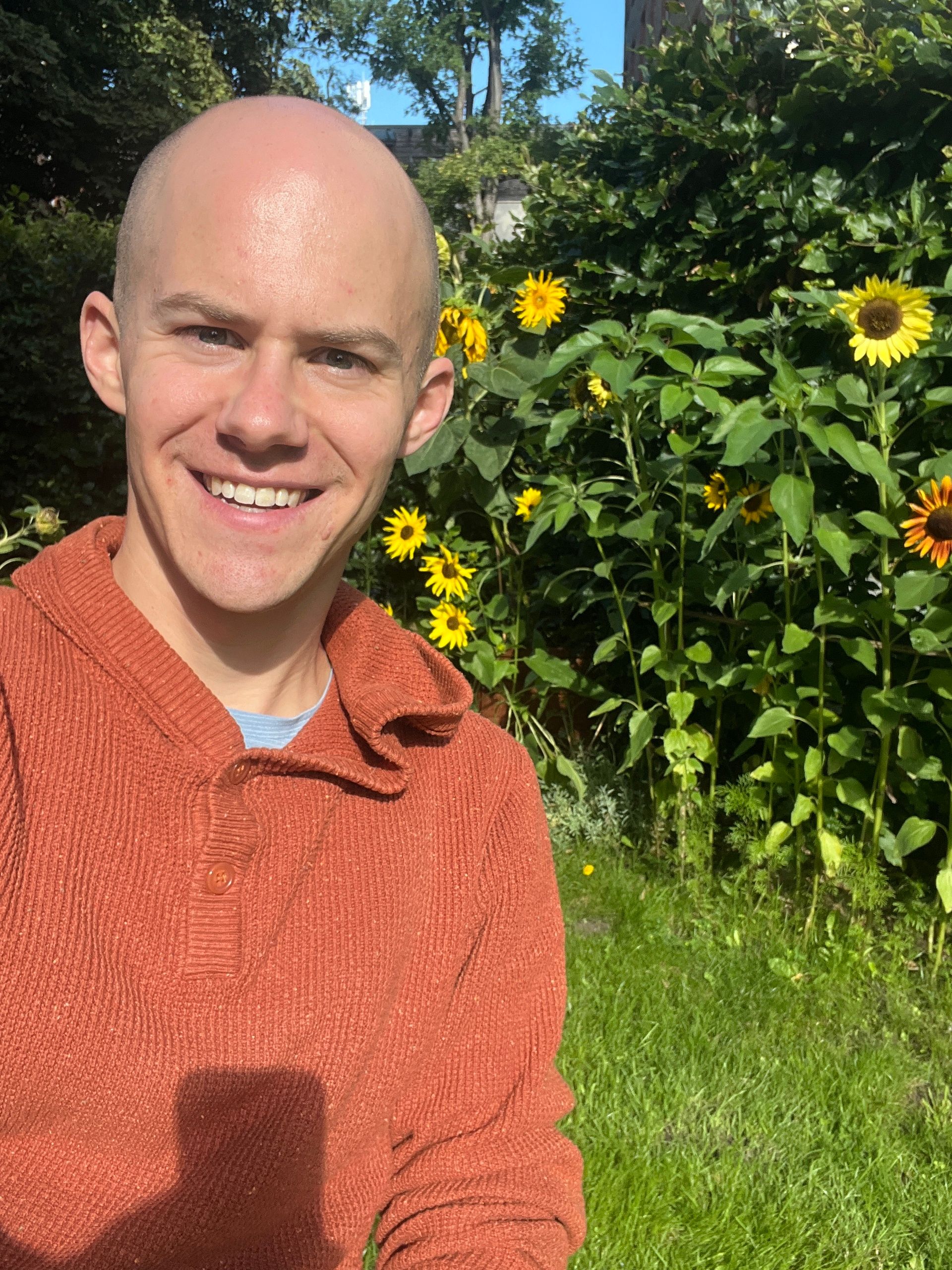 day 6 - warming up again! |
I’d love to hear what kind of experiment you might design for yourself in August and your results.
Now let’s think about why experiments and trying new things can be good for us.
First, let me tell you a short story:
A year after facing a tough life change, one of my clients still felt stuck, like they weren’t going where they wanted to. They’ve been weighing a big life shift – a decision regarding a pending job offer that would require them to move abroad. Nine months ago, we talked through the decision together in a structured way and they decided to stay put. They recently came back to me for another session where we re-opened the question. The employer still wanted to relocate them, we looked at the scenario from other perspectives. In the end, the decision was different. A few days later, they told me they accepted the offer!
On the flip side of experiments and trying new things are structure and regularity. While it’s powerful to change your mind and try something new or retry something old that might not have worked out before, there are also tremendous benefits to being a creature of habit.
Sometimes the power of a pattern or a habit is in the repetition, and sometimes it’s in breaking the pattern. I suppose the common ground is in the intention, in cultivating deliberate practices.
Why might routines be good for us, you ask?
They reduce stress (and decision fatigue) by introducing predictability. Streamlining everyday decisions frees up mental space for more complex activities.
A sense of stability and control can be crucial for mental well-being. Routines amplify the sense of individual agency.
Sleep routines promote better sleep quality, which is a major factor in overall health.
Healthy behaviors like exercise and balanced meals are also easier to maintain when they are habits or routines.
A Dutch friend recently introduced me to the century old 3 Rs of Dutch child-rearing advice: Rust, Reinheid, and Regelmaat or Rest, Cleanliness, and Routine. I think they go well for adults, too.

greetings from my morning routine!
So many influencers and thought leaders want to sell their version of a routine (are you curious to know mine!?), but what if it’s not the contents of a routine that make it ideal? What if the 5 am wake up and 5:15 sunlight therapy are not the secret to living well? What if it’s just about doing something (whatever you appreciate!) consistently?
Routines can help us to invest less energy in the basic pillars of our health, conserving the energy to expend in those experiments and other areas of growth.
Here are some gentle invitations for deliberate practice in August.
Pick and choose what you like: none, one, some, or all:
ExperimentTry something new or in a different way from how you usually do it. Change your commute. Eat a burger or pizza upside down to taste the difference (trust me). Mix-up your exercise routine. Maybe you follow the suggestions above, or create your own version of science. | RoutineConsider not what you do but the fact that you do it, regularly. Notice a flower or plant in your life. Take a few minutes to do something “you”. My tip: just 5 minutes of sitting and breathing with a timer (Insight Timer) first thing in the morning. |
CleanlinessSpring cleaning? Better late than never! If you’ve got some tidying or reorganizing you’ve been putting off, say no more. Whip out your favorite album or podcast and dismantle the pantry! Scrub that surface. Gift those used but loved dust-collectors to a new home. | RestThis world is a LOT! Take a beat, people. Rest can be a form of resisting, too. Take that nap. Skip that workout. Permission granted to do … nothing! My tip - which aligns with routine: Go to bed at the same time every day. |
Consistency? Mixing things up? August seems like a great month for playing with both, or choosing one, intentionally. Whether you choose to build a habit or break one, let me know what you thought about breaking the mold of the newsletter. What might you discover in exploring routines (the good old habits), experiments (the good new stuff), tidying up, and just lying down?
I’ll look forward to your messages when I’m back later this month.
In joy,
Stephen